How To Calculate Calories Burned On A Treadmill (The Accurate Way)
Stop guessing your calorie burn. Learn exactly how to calculate calories burned on a treadmill using the gold-standard ACSM formula.
Stop using outdated equations. Use our Basal Metabolic Rate calculator to find your resting metabolic rate (RMR). We utilize the gold-standard Mifflin-St Jeor formula and the body-fat adjusted Katch-McArdle equation to calculate exactly how many calories your body burns at complete rest.
Last updated:
Follow the exact steps to get your result instantly and privately.
Enter your age, gender, height, and weight to calculate your BMR using the highly accurate Mifflin-St Jeor equation.
For extreme accuracy—especially for athletes or those with high lean mass—input your body fat percentage to trigger the Katch-McArdle formula, which accounts for muscle mass.
Your BMR is the absolute minimum calories you need just to exist. Use this number as the baseline before adding activity multipliers to calculate your TDEE.
Enter your age, gender, height, and weight to calculate your BMR using the highly accurate Mifflin-St Jeor equation.
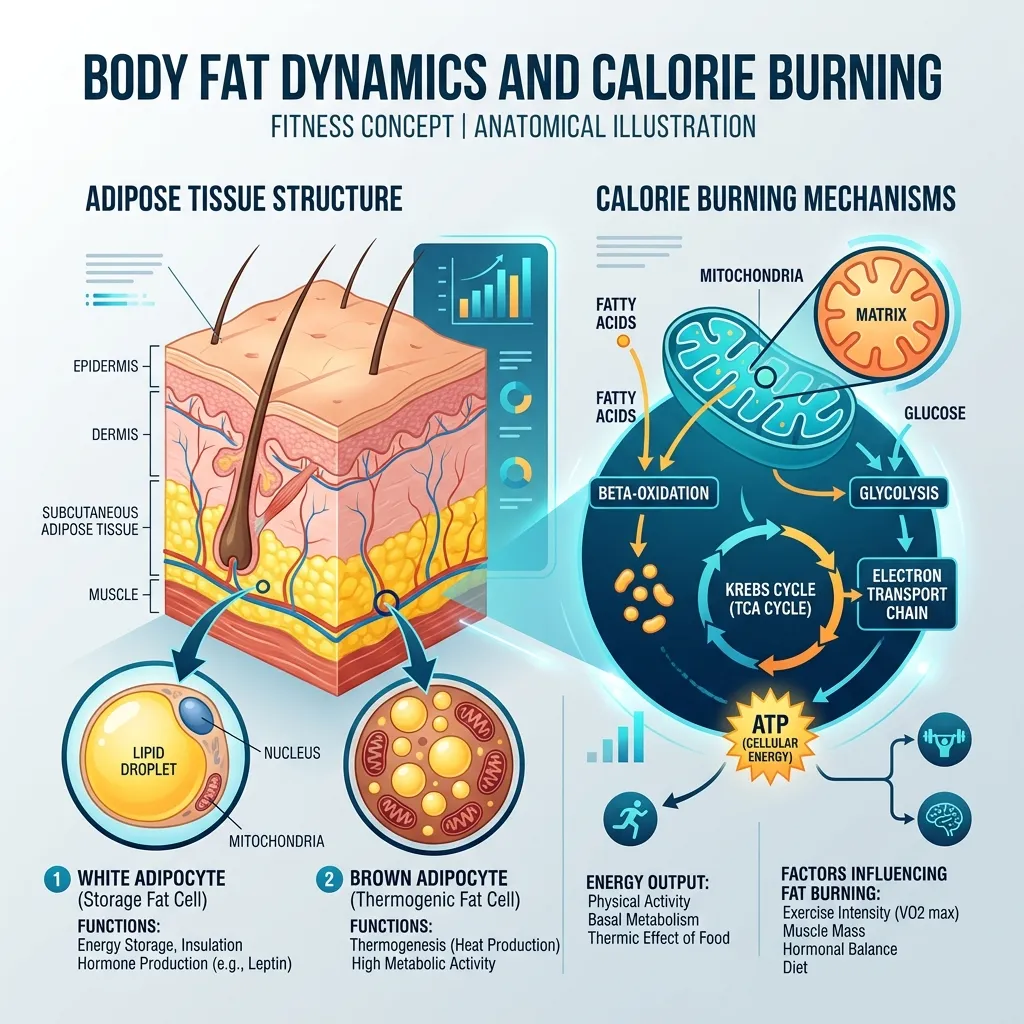
For decades, fitness professionals and dietitians relied heavily on the original 1919 Harris-Benedict formula, which modern sports science has shown notoriously overestimates daily calorie needs by roughly 5% to 10%, often leading to stalled weight loss progress. To ensure clinical-grade precision, our Basal Metabolic Rate (BMR) calculator primarily utilizes the Mifflin-St Jeor equation (introduced in 1990). Rigorous contemporary clinical studies and systemic reviews have repeatedly proven Mifflin-St Jeor to be the most accurate standard mathematical model for determining resting metabolism in both normal weight and obese individuals within the general population. However, standard BMR formulas have a critical blind spot: they assume an average body composition. If you input your known Body Fat Percentage, our calculator instantly upgrades your calculation to the advanced Katch-McArdle equation. Unlike weight-based models, the Katch-McArdle formula completely strips away inactive fat mass and calculates your resting energy expenditure strictly based on your Lean Body Mass (LBM). Because lean muscle tissue is highly metabolically active—burning significantly more calories 24/7 just to sustain itself compared to adipose (fat) tissue—the Katch-McArdle model stands as the undisputed gold standard for athletes, bodybuilders, and anyone engaged in serious resistance training.
Mifflin-St Jeor (Men): (10 × weight in kg) + (6.25 × height in cm) - (5 × age) + 5
Mifflin-St Jeor (Women): (10 × weight in kg) + (6.25 × height in cm) - (5 × age) - 161
Katch-McArdle: 370 + (21.6 × Lean Body Mass in kg)Consider a 30-year-old male weighing 180 lbs (81.6 kg) with a height of 5'10" (177.8 cm). Using the standard Mifflin-St Jeor equation, his baseline BMR is approximately 1,780 calories per day. However, if this individual is an athlete with a highly lean 12% body fat, his true Lean Body Mass is much higher than average. By applying the Katch-McArdle equation, his calculated BMR accurately jumps to 1,921 calories per day, perfectly reflecting the higher metabolic cost of maintaining his muscular physique.



Exercise Science & Math Nerds
We build brutally honest, evidence-based fitness calculators.
Stop guessing your calorie burn. Learn exactly how to calculate calories burned on a treadmill using the gold-standard ACSM formula.
Breaking down the exact calorie burn of the viral 12-3-30 treadmill workout and why it is so incredibly effective for weight loss.
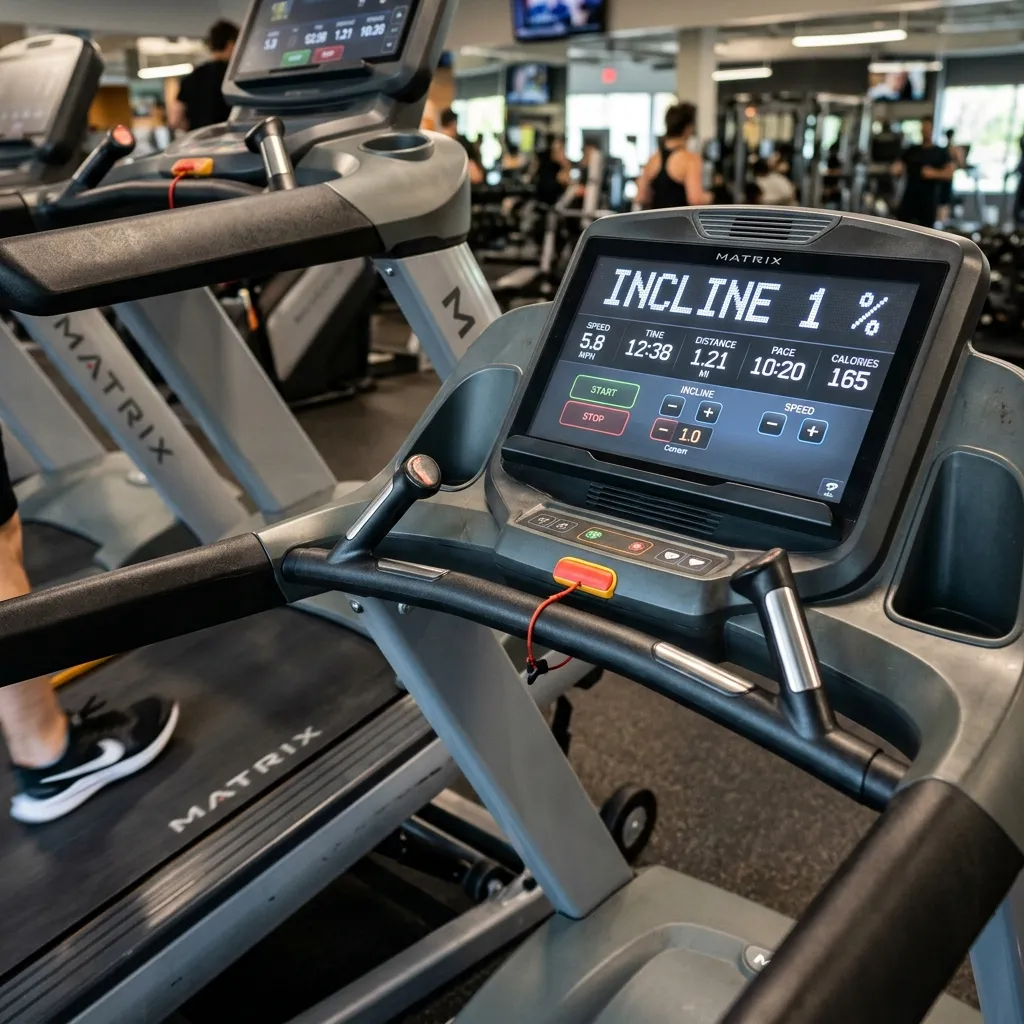
Your treadmill display overestimates calorie burn by 15–20%. Here is the ACSM formula, how incline multiplies calories, and what the 12-3-30 actually burns.