How To Calculate Calories Burned On A Treadmill (The Accurate Way)
Stop guessing your calorie burn. Learn exactly how to calculate calories burned on a treadmill using the gold-standard ACSM formula.
Jump straight to a pre-filled estimate for a common speed, incline, duration, or body weight — each one uses the same ACSM formula as the calculator above.
Explore our complete suite of health, fitness, and running calculators.
Follow the exact steps to get your result instantly and privately.
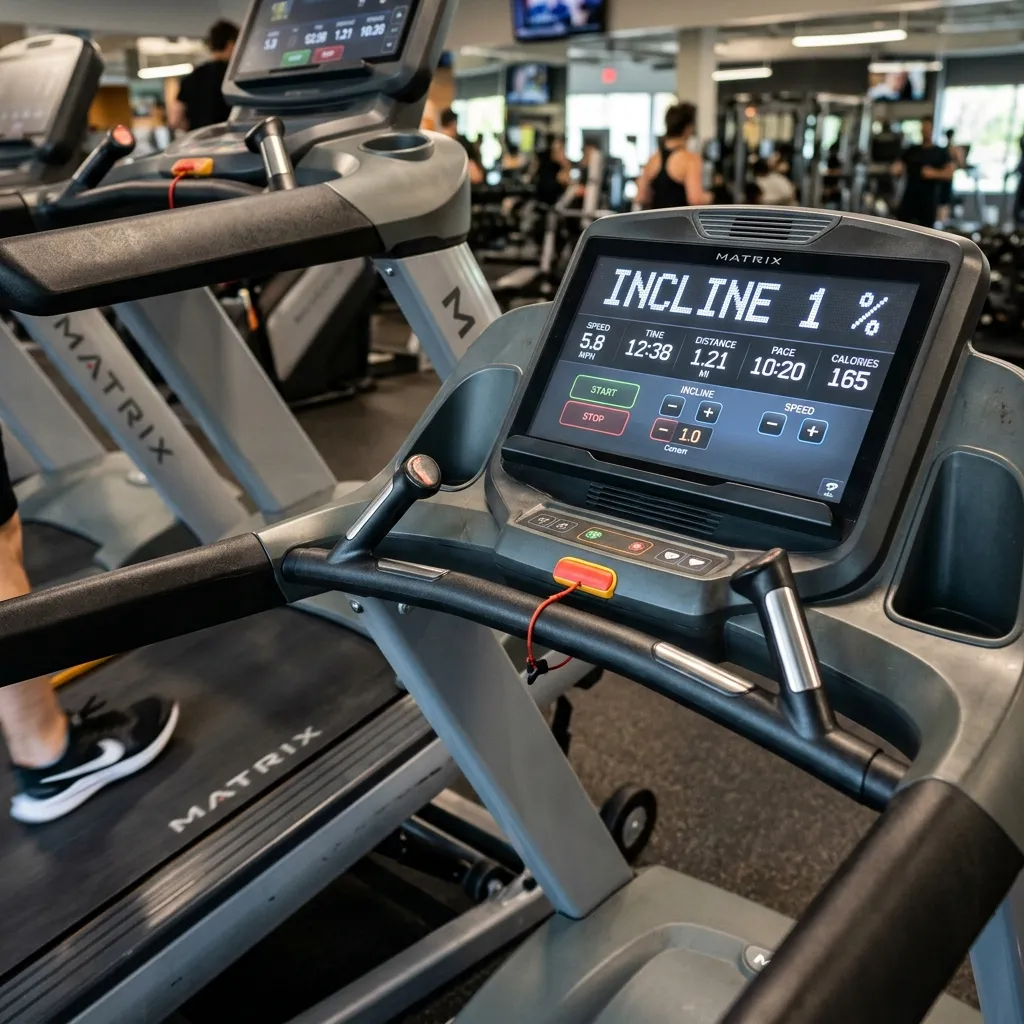
We have all been there: you finish a hard session and wonder whether the treadmill's calorie number is realistic. Machine estimates can be generic when they do not use your weight or workout details. Enter your weight, distance, time, age, and treadmill type for a more tailored estimate.
For walking, we use established metabolic equations and activity values from the Compendium of Physical Activities. Running and incline estimates account for speed, grade, and oxygen cost. For adults over 60, we use the population-specific MET definition from the Older Adult Compendium.
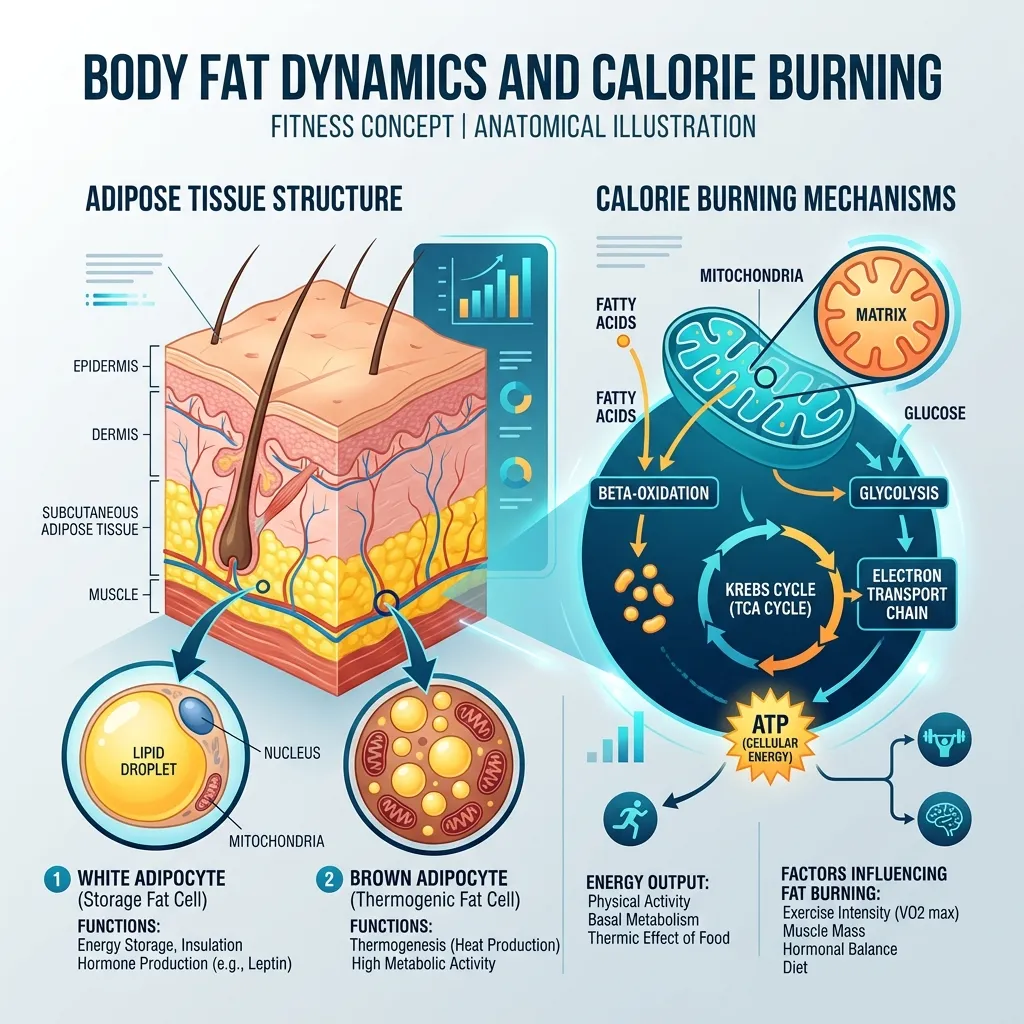
The result is an estimate of workout energy expenditure, not a direct measurement of fat loss. The familiar 3,500-calorie rule is only a rough planning shortcut because body weight changes dynamically over time.
We have all been there: you finish a hard session and wonder whether the treadmill's calorie number is realistic. Machine estimates can be generic when they do not use your weight or workout details. Enter your weight, distance, time, age, and treadmill type for a more tailored estimate.
A treadmill calorie reading is an estimate, so the inputs and equation matter. We estimate Energy Expenditure from body weight, speed, grade, and time using established metabolic equations and MET values. A 1% treadmill grade can approximate the energetic cost of outdoor running at certain running speeds, but it is not a universal correction for every person or pace. The ACSM (American College of Sports Medicine) equations are established population models for estimating metabolic cost from body weight, belt speed, and fractional grade. Individual results can still vary with fitness, gait, body composition, and environmental conditions. Many treadmill users compare flat running with steep walking. Incline can raise energy demand substantially while allowing a slower pace, but the result depends on weight, speed, grade, fitness, and whether handrails are used.
Raw calorie estimates can be hard to visualize, so food equivalents may provide rough context. They should not be treated as permission to eat a specific amount because serving sizes and individual energy balance vary.
Another major trap is assuming you have to sprint to see real fat loss. A 3.0 mph walk on a 12% incline looks like a casual stroll on paper, but context is everything. The data proves that this specific setup matches the exact caloric burn of running flat at 5.0 mph, but with drastically lower impact forces on your knees and shins. Always verify the math before you destroy your joints on a sprint you didn't need to do.

Treadmill Running Vertical Gain = Run Distance × (Treadmill Grade ÷ 100)
Oxygen Requirement (mL) = Vertical Gain × Weight (kg) × 1.31
Climb Calories Burned = (Oxygen Requirement ÷ 1000) × 5
Total Calories = (METs × Weight in kg × Duration in hours)
Weight Loss (lbs) = Total Calories ÷ 3,500For example, a 180 lb (81.6 kg) person completing a 6-mile treadmill run in one hour may receive an estimate around 739 kcal, depending on the equation and settings. That workout expenditure should not be converted directly into pounds of fat lost because short-term weight change also depends on food intake, stored carbohydrate, water, and metabolic adaptation.
| Scenario | Calculation | Result |
|---|---|---|
| The Flat Road Walk (160 lbs, Under 60) | 160 lbs · 6 mph/9.7 kph · 7 miles · 0% Grade | ≈ 727 kcal · 0.21 lbs fat burned |
| The Heavier Runner (210 lbs, Under 60) | 210 lbs · 6 mph/9.7 kph · 7 miles · 0% Grade | ≈ 954 kcal · 0.27 lbs fat burned |
| The Incline Grind (210 lbs, Under 60) | 210 lbs · 6 mph/9.7 kph · 7 miles · 2% Grade | ≈ 1,094 kcal · 0.31 lbs fat burned |
| The Older Adult Factor (210 lbs, Over 60) | 210 lbs · 6 mph/9.7 kph · 7 miles · 2% Grade | ≈ 1,555 kcal · 0.44 lbs fat burned |
| The Curved Treadmill Nightmare (210 lbs, Over 60) | 210 lbs · 6 mph/9.7 kph · 7 miles · Curved | ≈ 1,818 kcal · 0.52 lbs fat burned |
| Condition | Kcal Burned | Kj Burned | Fat Burn (lbs) | Fat Burn (kg) |
|---|---|---|---|---|
| Flat (0% Grade) | 727 | 3,042 | 0.21 | 0.09 |
| Incline (2% Grade) | 850 | 3,556 | 0.24 | 0.11 |
| Over 60 (2% Grade) | 1,185 | 4,958 | 0.34 | 0.15 |
| Curved Treadmill | 1,385 | 5,795 | 0.39 | 0.18 |


Running Coach & Treadmill Specialist
Elena is a running coach and self-proclaimed treadmill nerd who has logged thousands of miles on the belt. She started her fitness journey trying to balance a 9-to-5 desk job with her health goals, quickly realizing how confusing cardio tracking could be. Elena created our calculator frameworks to give everyday walkers and runners a realistic, science-backed picture of their hard work.
Stop guessing your calorie burn. Learn exactly how to calculate calories burned on a treadmill using the gold-standard ACSM formula.
Breaking down the exact calorie burn of the viral 12-3-30 treadmill workout and why it is so incredibly effective for weight loss.
Your treadmill display overestimates calorie burn by 15–20%. Here is the ACSM formula, how incline multiplies calories, and what the 12-3-30 actually burns.